
Understanding the Home Inspection Report
When buying a home, one of the most important steps is reviewing the inspection report. This document provides a detailed overview of the property's condition and can help you make an informed decision. Understanding what is included in the report and how to interpret it can save you from costly surprises later on.
Understanding Inspection Reports: What You Need to Know
Inspection reports are created by professional home inspectors who examine various aspects of a property. These reports cover everything from the roof to the foundation, electrical systems, plumbing, and more. The goal is to identify any existing issues or potential problems that could affect the safety, functionality, or value of the home.
A typical inspection report will include:
Summary of findings: A quick overview of major issues.
Detailed descriptions: In-depth notes on each inspected area.
Photographs: Visual evidence of problems or areas of concern.
Recommendations: Suggestions for repairs or further evaluations.
Understanding these components helps you prioritize repairs and negotiate with sellers if necessary.

What is a Property Inspection Report?
A property inspection report is a comprehensive document that outlines the condition of a residential property at the time of inspection. It is usually prepared after a thorough visual examination by a certified inspector. The report is designed to inform buyers, sellers, and real estate agents about the state of the home.
The report typically covers:
Structural elements: Walls, ceilings, floors, foundation, and roof.
Systems: Electrical, heating, ventilation, air conditioning (HVAC), and plumbing.
Interior and exterior components: Doors, windows, insulation, and drainage.
Safety concerns: Presence of mold, asbestos, radon, or faulty wiring.
This document is essential for understanding the true condition of a property before finalizing a purchase.

How to Read and Interpret Your Inspection Report
Reading an inspection report can be overwhelming, especially if you are not familiar with construction or home maintenance terms. Here are some tips to help you make sense of the information:
Start with the summary: Focus on the major issues first. These are the items that could affect your decision to buy or require immediate attention.
Review photos carefully: Images provide visual context and help you understand the severity of problems.
Look for recommendations: Inspectors often suggest repairs or further evaluations by specialists.
Understand the terminology: If you encounter unfamiliar terms, look them up or ask your inspector for clarification.
Prioritize repairs: Not all issues are urgent. Separate cosmetic problems from structural or safety concerns.
By following these steps, you can better assess the condition of the home and plan your next moves.
Common Issues Found in Inspection Reports and What They Mean
Inspection reports often reveal a range of issues, some minor and others more serious. Here are some common problems you might encounter:
Roof damage: Missing shingles, leaks, or poor drainage can lead to water damage.
Electrical hazards: Outdated wiring or overloaded circuits pose fire risks.
Plumbing leaks: Dripping pipes or faulty fixtures can cause water damage and mold.
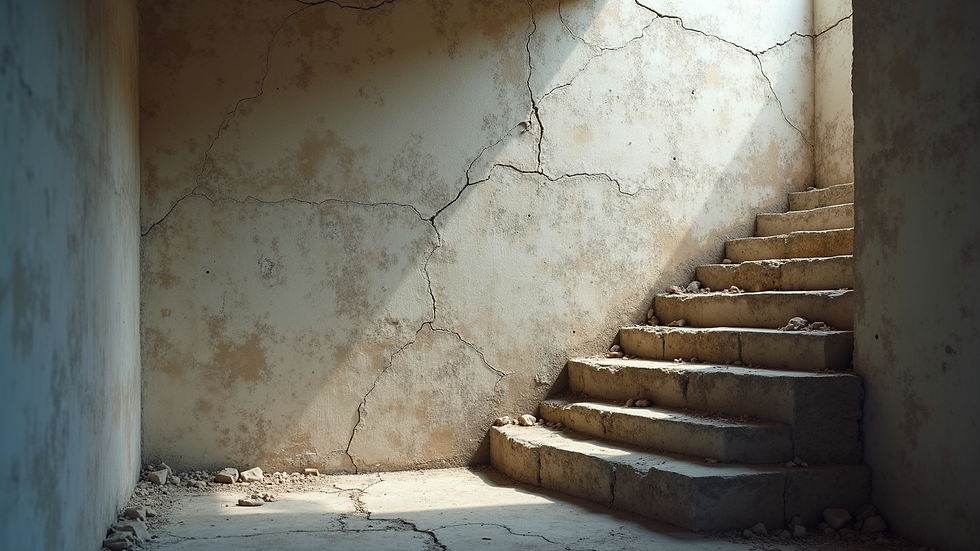
Foundation cracks: Small cracks may be normal, but large or shifting cracks indicate structural problems.
HVAC problems: Inefficient or malfunctioning heating and cooling systems can be costly to repair.
Understanding these issues helps you decide whether to negotiate repairs with the seller or budget for future maintenance.
Using Your Home Inspection Report to Make Informed Decisions
Once you have reviewed the home inspection report, you can use it to guide your next steps:
Negotiate repairs or price adjustments: Use the report to request that the seller fix major issues or reduce the sale price.
Plan for future maintenance: Identify repairs that can wait and budget accordingly.
Decide whether to proceed: If the report reveals serious problems, you may choose to walk away from the deal.
Consult specialists: For complex issues, get opinions from contractors or engineers.
Remember, the inspection report is a tool to protect your investment and ensure you know what you are buying.
Final Thoughts on Inspection Reports and Home Buying
Understanding inspection reports is crucial for anyone involved in the home buying process. These documents provide transparency and help you avoid unexpected expenses. By carefully reviewing the report, asking questions, and taking action based on the findings, you can make confident decisions and secure a safe, comfortable home.
Taking the time to understand the details of a home inspection report empowers you to negotiate effectively and plan for the future. Whether you are a first-time buyer or an experienced homeowner, this knowledge is invaluable in navigating the real estate market.


Comments